Caring for community cats is about more than animal welfare. It is also about helping residents, supporting neighborhoods and creating healthier communities for everyone. In recognition of National Feral Cat Day on October 16, the Humane Society of Greater Dayton (HSGD) is highlighting its leadership in providing humane, practical solutions to cat overpopulation while helping people throughout the Miami Valley care for the animals in their communities.
So far in 2026, HSGD has spayed or neutered 6,003 cats and kittens, a 3.7% increase over the 5,789 cats and kittens served during the same period last year. Of those surgeries, 3,721 have been completed through HSGD’s Trap-Neuter-Return (TNR) program, which helps prevent unwanted litters and manage outdoor cat populations humanely.
Through free and low-cost services offered to residents, cities and townships throughout the Miami Valley, HSGD is helping community members address cat overpopulation in ways that benefit both people and animals. Outdoor cat colonies can create concerns for residents, including the challenges of managing growing populations and caring for cats without access to affordable veterinary services. By making spay and neuter services more accessible, HSGD gives residents the resources to take action and helps communities pursue sustainable, compassionate solutions.
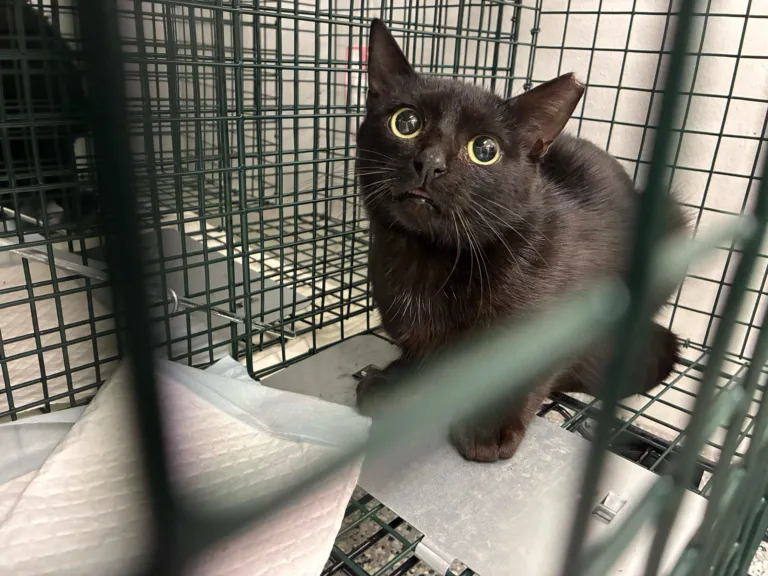
Trap-Neuter-Return involves humanely trapping outdoor cats, having them spayed or neutered and vaccinated, and returning them to their outdoor environments when appropriate. Preventing future litters helps stabilize community cat populations over time, reducing the cycle of unwanted births and the demands that unmanaged populations can place on residents and local animal welfare resources.
“Caring for community cats is also about caring for the people and neighborhoods around them,” said Brian Weltge, president and CEO of the Humane Society of Greater Dayton. “When we provide residents with access to affordable services and humane solutions, we help them address challenges in their own communities while improving the lives of thousands of cats. Our goal is to create healthier outcomes for animals and people alike.”
HSGD’s commitment to cats extends beyond preventing unwanted litters. So far this year, the organization has also found homes for more than 1,600 cats, connecting animals with families and helping residents experience the companionship and joy that pets bring to their lives.
For cats who are feral or semi-feral and may not thrive in a traditional home, HSGD’s Working Cat program provides another path to safety. Through this program, cats can be placed in appropriate nontraditional environments, including barns, stables and other suitable properties, where they can live more independently while receiving regular food, water, shelter and care from responsible caregivers.
The Working Cat Program recognizes that not every cat is suited to life as a house pet. By matching these cats with environments that meet their needs, HSGD helps protect animals who might otherwise struggle to find placement while giving property owners an opportunity to provide a safe home for a cat. These placements demonstrate how flexible, humane approaches can benefit animals and the people who care for them.
Together, these programs reflect HSGD’s broader approach to animal welfare: providing solutions that address the needs of animals while recognizing the important connection between pets, people and community well-being. Accessible veterinary services, responsible population management and appropriate placement options help residents care for outdoor cats, prevent unwanted litters and contribute to safer, more compassionate neighborhoods.
National Feral Cat Day is an opportunity for residents to learn more about community cats and the role they can play in addressing overpopulation. Whether by participating in TNR, seeking affordable spay and neuter services, adopting a cat or providing a suitable environment for a working cat, community members can help create lasting, positive change.